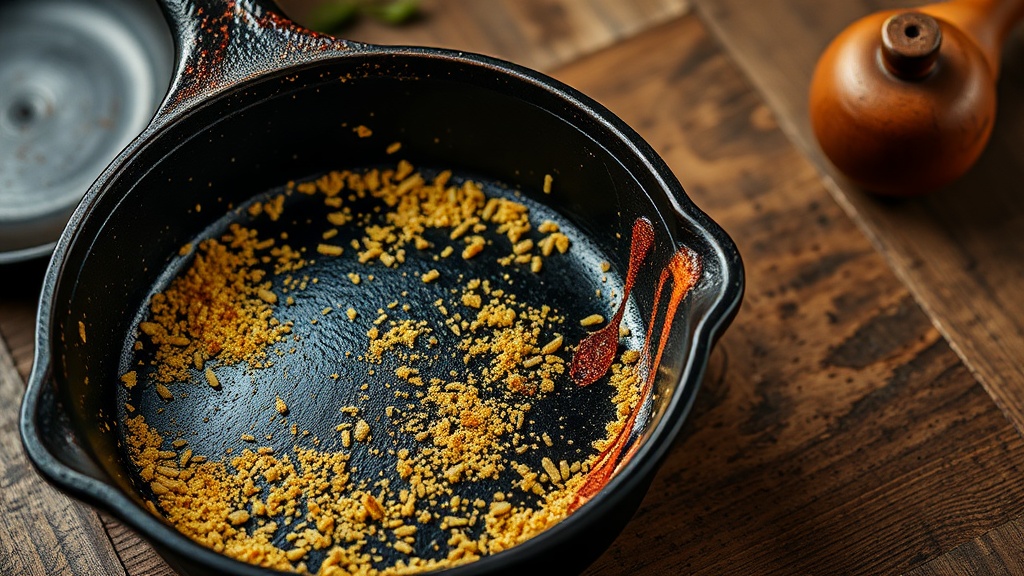
Keep Your Cast Iron Seasoning from Peeling and Rusting

Imagine pulling a heavy skillet out of the oven, expecting a deep, black, non-stick surface, only to find flaky reddish-brown bits or a dull, gray patch where the seasoning has stripped away. It's a frustrating sight. That layer of polymerized oil—what we call seasoning—is the very thing that makes cast iron such a reliable tool in a busy kitchen. When that layer fails, your food sticks, and the metal underneath becomes vulnerable to moisture. This post covers how to maintain that protective coating, why it fails, and how to fix it before the rust takes hold.
A well-maintained pan shouldn't just be a tool; it should be a reliable companion that gets better with age. However, many people treat cast iron like a standard non-stick pan, which is a recipe for disaster. If you've noticed your pan looking patchy or feeling rough, you don't necessarily need to throw it away. Most issues stem from improper cleaning or heat management.
Why is my cast iron pan losing its seasoning?
The most common culprit is the use of soap. While modern dish soaps are much milder than the caustic versions used decades ago, any soap can strip away the thin layer of oil that has been baked into the iron. Another frequent issue is leaving the pan to soak in the sink. Water is the enemy of bare iron. Even a few hours of submersion can lead to oxidation, which manifests as rust. If you've ever seen a layer of black flakes peeling off your pan, it's often because there was excess oil left on the surface that wasn't heated enough to polymerize, or because the pan was scrubbed with harsh abrasives.
Another reason for seasoning failure is uneven heat. If you use a high-BTU burner that is much wider than your pan, the edges might stay unseasoned while the center gets overcooked. This creates a patchy surface. To prevent this, try spreading the heat around or using a diffuser if you're working with a gas range. You can find more technical details on the chemistry of iron oxidation at the Britannica science pages, which explains how metal reacts with oxygen and moisture.
How do I fix a rusty cast iron skillet?
If you've found a patch of rust, don't panic. It's a fixable problem. First, you need to remove the rust. You can use a piece of steel wool or a stiff-bristled brush to scrub the affected area. If the rust is deep, you might need to use a bit of vinegar—but be careful. A vinegar solution is acidic and can actually eat into the metal if left too long. A 50/50 mix of water and white vinegar is standard for removing stubborn rust, but don't let it sit for more than an hour. Once the rust is gone,-and this is a vital step-dry the pan immediately. Do not let it air dry. Use a towel, then place it on a stovetop burner over low heat to evaporate every trace of moisture.
Once the pan is bone-dry and warm, it's time to re-season. Apply a tiny amount of oil—something with a high smoke point like grapeseed or canola oil—to the entire surface, inside and out. Use a paper towel to wipe the oil off until the pan looks like there's nothing left. You want a microscopic layer, not a greasy one. Bake it in an oven at about 450°F (230°C) for an hour. Repeat this process two or three times until the surface looks dark and smooth. For more detailed instructions on different oil types and their smoke points, checking out the Serious Eats kitchen guides is always a smart move.
Can I use soap on my cast iron?
This is the great debate of the kitchen. The short answer? Yes, but with caution. A tiny drop of mild dish soap won't ruin a well-seasoned pan. The real danger is the scrubbing. If you use a heavy-duty scouring pad or a dishwasher, you're going to strip the seasoning. Instead, stick to a stiff brush and warm water. If there are stubborn food bits, a coarse salt scrub is a much safer alternative. Put some kosher salt in the pan, add a splash of water, and scrub with a cloth. The salt acts as an abrasive that cleans the surface without damaging the polymer layer.
| Method | Best For | Warning |
|---|---|---|
| Warm Water & Brush | Daily Cleaning | Avoid soaking |
| Kosher Salt Scrub | Removing Stuck-on Food | Don't use too much pressure |
| Baking/Oiling | Restoring Seasoning | Must be done after drying |
After cleaning, always apply a very thin layer of oil while the pan is still warm. This creates a barrier against the air. If you're storing your pan, don't stack other pans on top of it. The weight can scratch the surface and even cause the seasoning to crack. If you have a heavy lid, you might want to place a piece of paper towel between the pan and the lid to absorb any moisture that might settle during storage.
The goal is consistency. If you treat your cast iron with a bit of respect—drying it thoroughly and keeping it oiled—it will last for generations. A well-seasoned pan is a sign of a cook who knows their tools. It's not just about the heat; it's about the maintenance that happens after the heat is turned off. If you're consistent with these steps, you'll rarely find yourself facing a major restoration project.