The Hidden Power of Small Kitchen Gadgets (And How They Transform Your Cooking Overnight)

There’s a strange moment that happens in most kitchens. You buy a gadget thinking it’s optional—nice to have, maybe even a bit gimmicky. Then one day you use it properly, and suddenly your workflow changes. Not in a subtle way. In a “why was I doing this the hard way for years?” kind of way.
This is where small kitchen gadgets quietly earn their place. Not by replacing skill, but by removing friction. Done right, they make cooking faster, more consistent, and frankly more enjoyable.
Why Small Gadgets Matter More Than Big Appliances
Big appliances get the attention. Stand mixers, espresso machines, air fryers—they dominate the conversation. But most day-to-day cooking isn’t about spectacle. It’s about repetition.
Chopping onions. Minced garlic. Zesting citrus. Draining pasta. These are the motions that happen every single day, and they’re exactly where small tools make a disproportionate impact.
The difference isn’t just speed—it’s consistency. A good garlic press doesn’t just save time; it produces uniform results every time. A sharp mandoline doesn’t just slice faster; it makes dishes look restaurant-level without effort.
That consistency compounds. It’s the difference between cooking feeling like work and cooking feeling like flow.
The Gadgets That Actually Change How You Cook
Let’s cut through the clutter. Not every gadget deserves space in your kitchen. The ones that do share a few traits: they save time, reduce effort, and improve results.
1. Microplane Zester
This is one of those tools people underestimate until they use a proper one. Citrus zest becomes light and fluffy instead of bitter and chunky. Hard cheeses turn into delicate snow. Garlic becomes paste-like instead of crushed lumps.
The result? Better flavor extraction with less effort. It’s a small upgrade that shows up immediately on the plate.
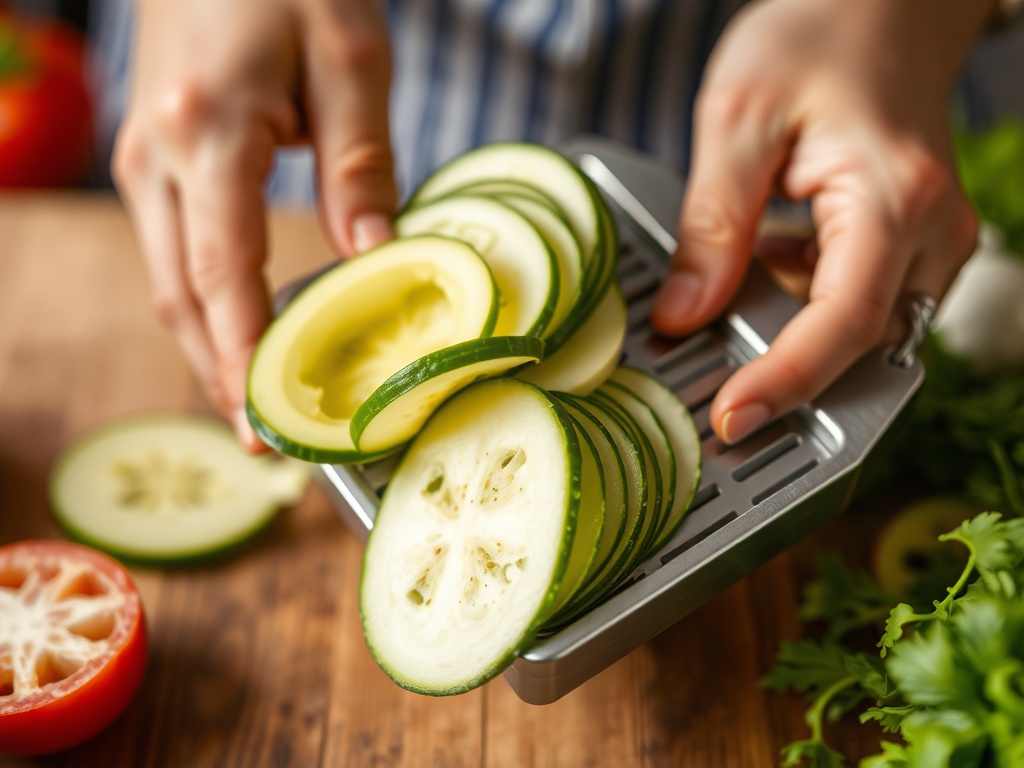
2. Mandoline Slicer
Yes, it’s sharp. Yes, you need to respect it. But once you do, it becomes one of the fastest ways to elevate your cooking. Uniform slices mean even cooking. Even cooking means better texture.
From potato gratin to shaved salads, the mandoline quietly turns average dishes into something far more refined.
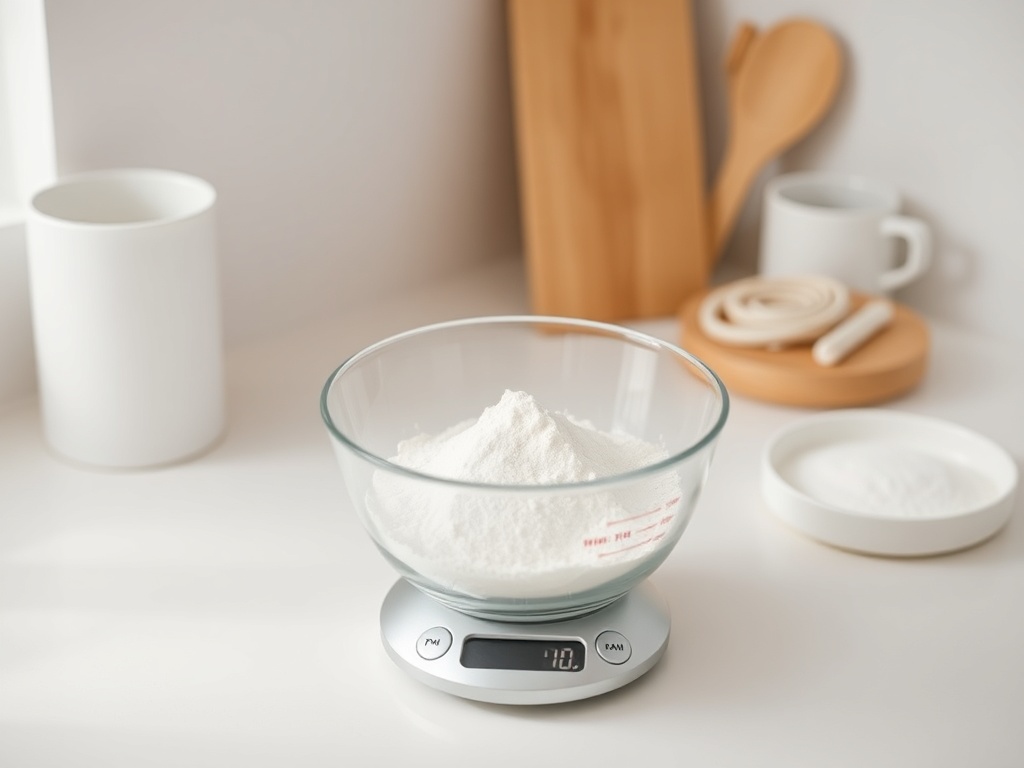
3. Digital Kitchen Scale
If you bake, this isn’t optional. But even for everyday cooking, a scale removes guesswork. You stop approximating and start controlling outcomes.
It’s also faster. No measuring cups, no leveling, no mess—just direct, precise input.
4. Silicone Spatula (The Right One)
Not all spatulas are equal. A good one is heat-resistant, flexible, and strong enough to scrape every last bit from a pan or bowl.
This isn’t about saving scraps. It’s about control. You move food exactly where you want it, without tearing, sticking, or wasting.
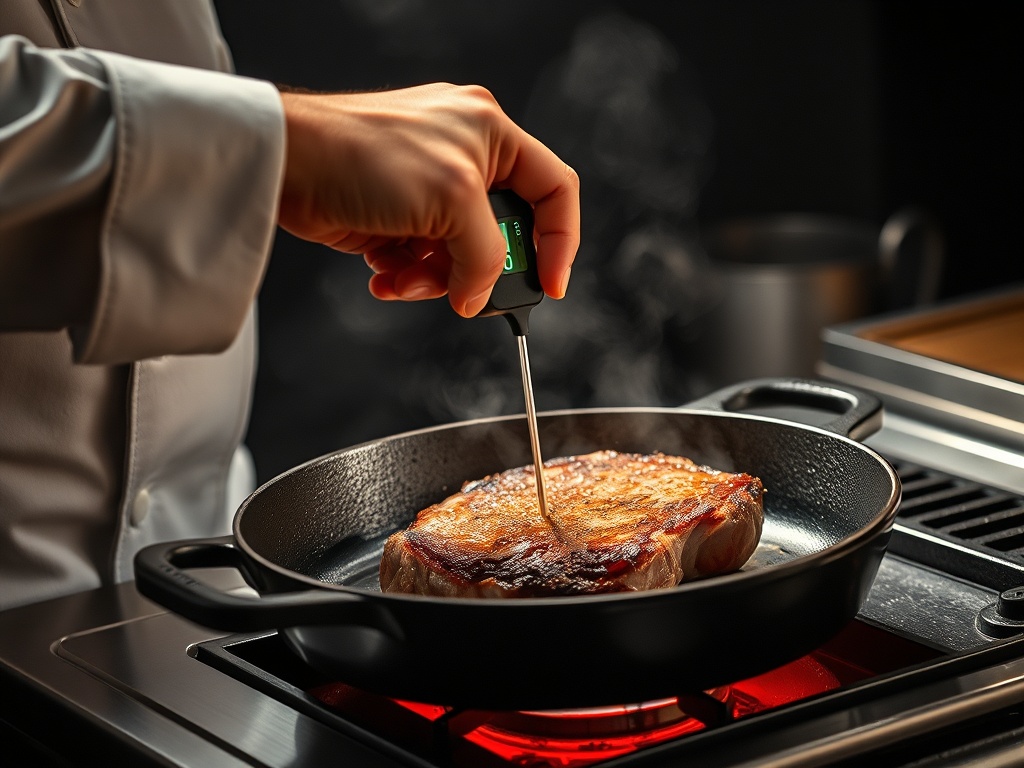
5. Instant-Read Thermometer
Cooking meat without a thermometer is guesswork dressed up as confidence. An instant-read thermometer removes that entirely.
You stop cutting into food to check doneness. You stop overcooking "just to be safe." You hit the exact temperature you want—every time.
The Real Benefit: Mental Load Reduction
Here’s the part most people miss. The biggest advantage of good kitchen gadgets isn’t speed—it’s cognitive relief.
When tools work properly, you stop thinking about the mechanics. You don’t wonder if your slices are even. You don’t worry about undercooked chicken. You don’t hesitate mid-recipe.
That mental space gets freed up for better decisions: seasoning, timing, plating. The things that actually define good cooking.
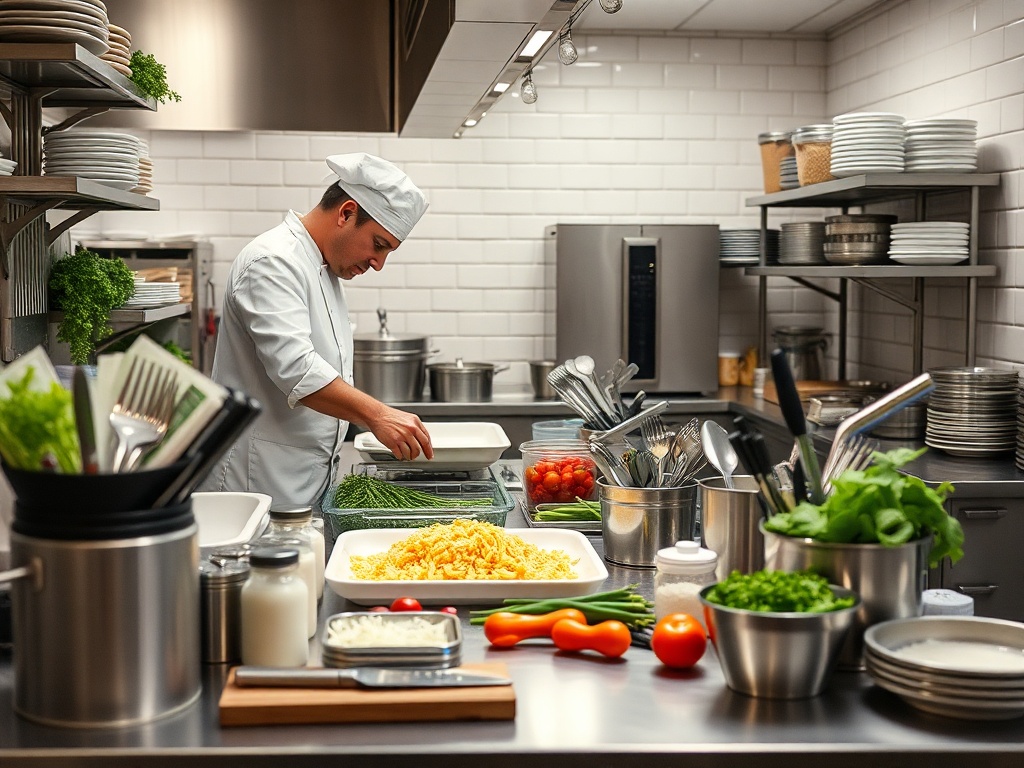
This is why professional kitchens are packed with specialized tools. Not because chefs can’t do things manually—but because they don’t want to.
What to Avoid (Most Gadgets Fall Here)
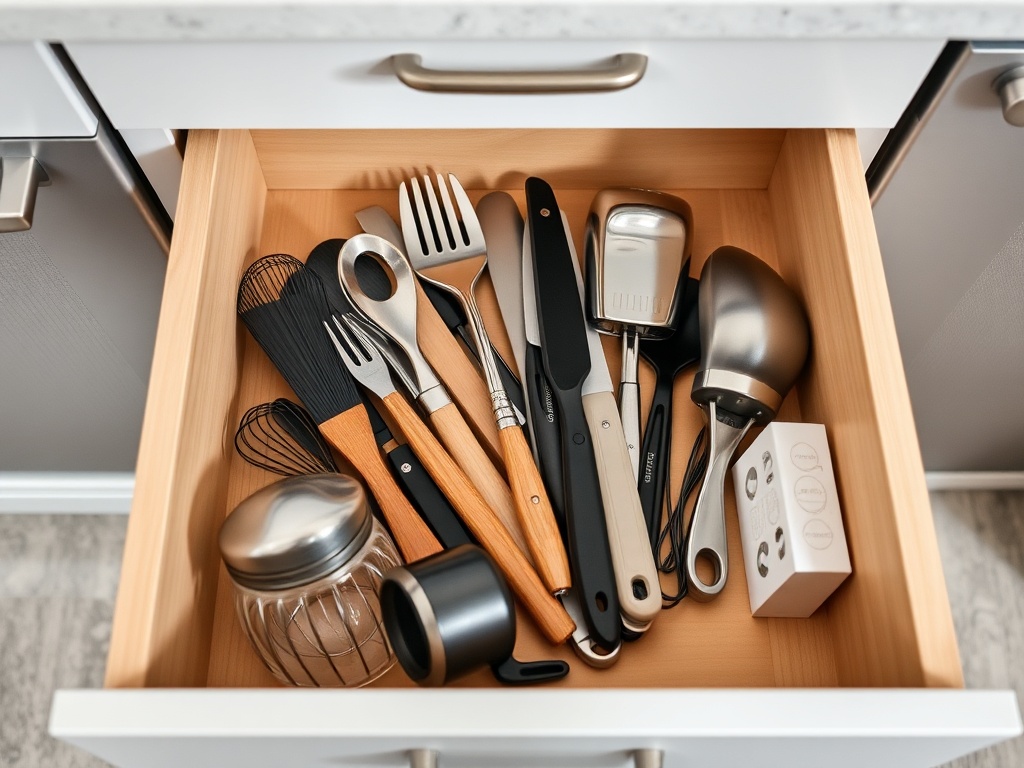
There’s a reason drawers get cluttered. Most gadgets solve problems you don’t actually have—or solve them poorly.
Watch out for:
- Single-use tools that only work for one obscure task
- Bulky designs that take more time to clean than to use
- Cheap construction that dulls, bends, or breaks quickly
If a gadget doesn’t make your cooking noticeably easier within the first few uses, it probably never will.
How to Build a Lean, High-Performance Kitchen Setup
You don’t need dozens of gadgets. You need a tight lineup that covers the core friction points in your cooking.
Start here:
- One precision tool (scale or thermometer)
- One efficiency tool (mandoline or food processor attachment)
- One finishing tool (microplane or fine grater)
- One control tool (high-quality spatula or tongs)
That’s it. Four tools that dramatically change how your kitchen operates.
The Compounding Effect Over Time
Here’s where it gets interesting. The benefit of these tools isn’t just immediate—it compounds.
Faster prep leads to more frequent cooking. More cooking leads to better skill. Better skill leads to more ambitious dishes.
And suddenly, the kitchen becomes a place you want to be—not a place you tolerate.
This is the real transformation. Not the gadget itself, but what it unlocks.
Final Take
Most people look for big upgrades—new appliances, expensive cookware, dramatic changes. But the real leverage is smaller and quieter.
The right kitchen gadgets don’t just make tasks easier. They remove resistance. And once resistance disappears, everything else improves.
If your cooking feels slower or more frustrating than it should, don’t overhaul your kitchen. Start with the small tools you use every day—and make those better.