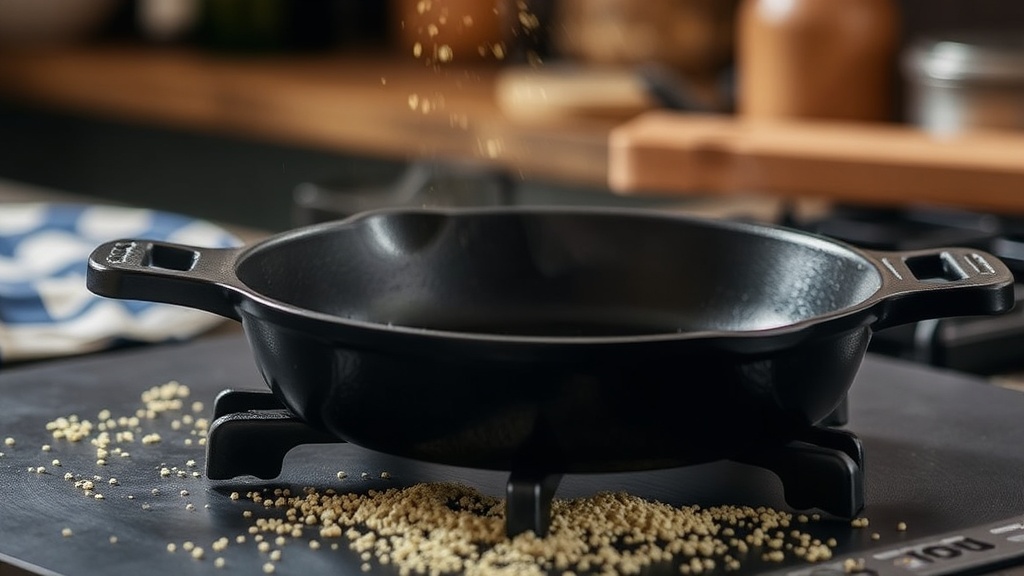
Why Your Cast Iron Skillet Is Seasoning Improperly

Did you know that a single gram of carbonized organic material can be the difference between a nonstick surface and a rusted mess? Most people treat their cast iron like a standard pan, but it is actually a living piece of equipment that requires a specific chemical bond to function. This post covers the specific reasons why your seasoning might be flaking, peeling, or sticking, and how you can fix it using better heat management and oil selection.
If you have ever pulled a pan out of the oven only to see black flakes on your pancake, you aren't alone. It is a common frustration for home cooks. Whether you are a beginner in Halifax or a seasoned pro, understanding the chemistry of polymerizing oil is what separates a functional tool from a useless piece of heavy metal.
Why is my cast iron seasoning peeling?
The most frequent culprit for peeling seasoning is a failure to properly strip the pan before applying new oil. If there are leftover food particles or old, degraded oil underneath a new layer, that new layer has nothing to grab onto. It sits on top of a loose foundation. You need to ensure the surface is completely clean—not just wiped with a damp cloth, but often scrubbed with coarse salt or even a mild soap if you're starting fresh.
Another reason is the type of oil you use. Many people reach for olive oil or butter, but these have low smoke points. When you heat them too much, they break down and create a sticky, gummy residue instead of a hard, slick polymer. For a successful seasoning, you want oils with high smoke points like grapeseed oil or flaxseed oil. According to the Serious Eats guide to cast iron, the goal is to reach a temperature where the oil undergoes polymerization—a process where the liquid oil turns into a solid, plastic-like film.
Sometimes, the issue is actually too much oil. If you apply a thick layer of oil and then heat it, that excess oil won't evaporate; it will just bake into a brown, tacky mess. You should apply the oil and then wipe it off with a clean paper towel until the pan looks almost dry. It feels counterintuitive, but a thin, nearly invisible layer is much better than a heavy coat.
How often should I re-season my skillet?
You shouldn't need to re-season your pan every time you cook. If you are using it correctly, a well-maintained skillet can last generations. However, you will notice signs that it needs attention when food begins to stick or when the surface looks dull and gray rather than deep black. If you notice a buildup of carbonized food (that black, crusty stuff that isn't part of the seasoning), it is time to clean it thoroughly and perhaps add a light layer of oil.
A good rule of thumb: if the pan feels tacky or if water no longer beads on the surface, your seasoning has degraded. You don't need a full oven-bake every time; often, a quick stovetop session with a thin film of oil is enough to keep the surface slick. If you use a lot of acidic ingredients—like tomato sauce or vinegar—be aware that these can strip the seasoning. It doesn't happen in one meal, but over time, the acid eats away at the polymer layer.
Can I use soap on cast iron?
The old myth that soap ruins cast iron is largely outdated, but it requires a caveat. Modern dish soaps are different from the ones used decades ago. They don't contain the harsh lye that used to strip seasoning. You can use a small amount of mild soap to clean away grease, but you should avoid the dishwasher at all costs. The high heat and intense water spray in a dishwasher will strip the oil and cause immediate rusting.
Instead of a dishwasher, use a stiff brush and warm water. If you have stubborn stuck-on bits, a bit of coarse kosher salt acts as a great abrasive. It cleans the surface without damaging the seasoning layer. Once you've cleaned the pan, dry it immediately on the stovetop over low heat. Never let a cast iron pan air dry—this is a recipe for rust. Once it is bone dry and warm, apply a tiny drop of oil to keep it protected.
Let's look at a quick comparison of oil smoke points to help you choose the right one for your seasoning sessions:
| Oil Type | Smoke Point (Approx) | Best Use |
|---|---|---|
| Extra Virgin Olive Oil | 375°F | Low heat cooking/Drizzling |
| Canola Oil | 400°F | General frying |
| Grapeseed Oil | 420°F | Seasoning/High heat |
| Avocado Oil | 520°F | Heavy searing |
Using the right tool for the right temperature is a fundamental part of cooking. If you're searing a steak, you want an oil that won't burn and turn bitter before the meat even touches the pan. If you're just making a light omelet, a lower smoke point oil is fine. The key is consistency. A well-seasoned pan is a reflection of how you treat it between meals, not just how you treat it while cooking.
When you do decide to do a full seasoning in the oven, ensure your oven is completely clean. You don't want oil drippings from a previous roast falling onto your pan. Place the skillet upside down on the middle rack, and place a baking sheet on the bottom rack to catch any stray drips. This prevents a mess and keeps your oven cleaner. It's a small step, but it matters for the longevity of your gear.
Keep in mind that even the best cast iron requires a bit of respect. It is not a set-it-and-forget-it tool. It reacts to how you clean it, what you cook in it, and how much heat you apply. If you treat it with a bit of care, it will reward you with a nonstick surface that improves with age. For more detailed information on food safety and temperatures, check out the FDA guidelines to ensure your cooking temperatures are always in the safe zone.