6 Clever Ways to Store and Preserve Your Exotic Spices

Airtight Glass Jars for Maximum Freshness
Darkened Glass to Prevent Light Damage
Silica Gel Packets for Moisture Control
Magnetic Spice Tins for Easy Access
The Cool and Dark Zone Strategy
Labeling with Expiration Dates
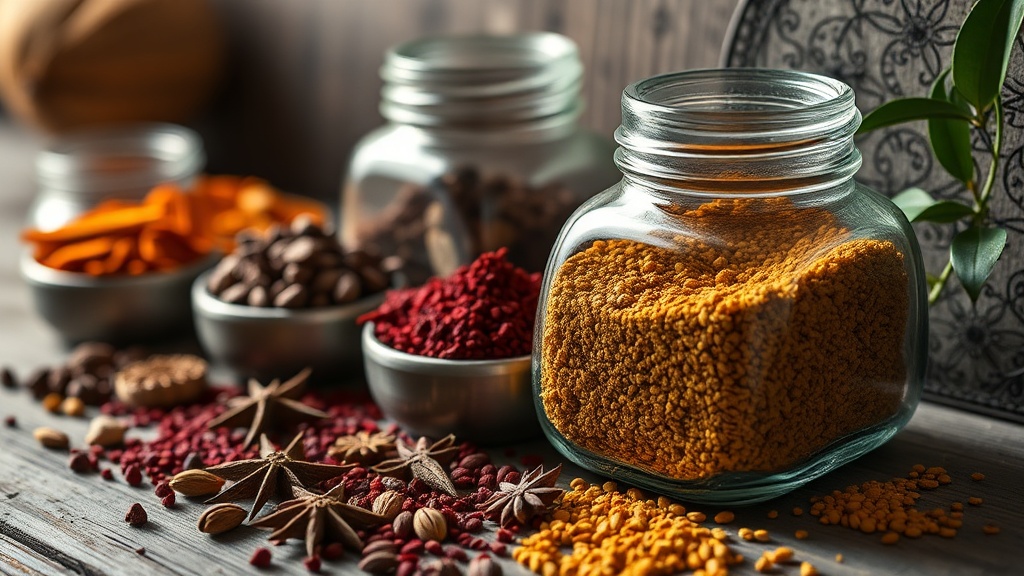
A heavy stone mortar and pestle sits on a wooden countertop, filled with vibrant, freshly crushed cardamom pods and star anise. The scent is sharp, sweet, and slightly woody—a stark contrast to the dull, dusty powders found in standard grocery store aisles. When you invest in high-quality, exotic spices like saffron, sumac, or smoked paprika, you aren't just buying ingredients; you're buying flavor profiles that can go stale in a heartbeat. This post looks at how to protect those precious investments through smart storage techniques and specialized gear.
Exotic spices are expensive. If you leave a jar of high-grade saffron or high-quality vanilla bean paste sitting in a warm, bright pantry, you're essentially watching your money evaporate. Moisture, light, and heat are the enemies of spice potency. Keeping them protected isn't just about organization—it's about preserving the chemical compounds that make them worth the price tag.
What is the Best Way to Store Exotic Spices?
The best way to store exotic spices is in airtight, opaque glass containers kept in a cool, dark, and dry location. Light and air are the two biggest culprits of degradation. While many people love the look of clear glass jars on a countertop, those are actually terrible for long-term storage of sensitive spices like turmeric or ground cloves. If you want to keep the flavor intact, get them out of the light.
I've seen people keep their spices right above the stove. That is a massive mistake. The heat from the range travels upward and essentially "cooks" the volatile oils in your spices before you even open the jar. It's a waste of good ingredients.
When selecting storage, look for these specific attributes:
- Airtight Seals: Look for silicone-lined lids or screw-top lids.
- Opacity: Amber glass or stainless steel containers are superior to clear glass.
- Material: Glass is generally better than plastic, as plastic can sometimes absorb strong odors over time.
If you are serious about your spice collection, you might want to look into precision tools for perfect spice blending to ensure you're working with the freshest possible versions of your ingredients.
How Long Do Spices Stay Fresh?
Whole spices generally stay fresh for two to three years, while ground spices lose their potency much faster, often within six to twelve months. The rule of thumb is that if a spice no longer has a strong aroma when you smell it, it has likely lost its effectiveness. You can check the quality by performing a simple "sniff test."
For example, whole peppercorns or cinnamon sticks can last a long time if kept away from humidity. However, once you grind them into a fine powder, the surface area increases, and they oxidize much faster. This is why I always recommend buying whole spices and grinding them as needed.
Here is a quick reference for typical shelf life under ideal conditions:
| Spice Type | Whole Form Lifespan | Ground Form Lifespan |
|---|---|---|
| Peppercorns | 3-4 Years | 1 Year |
| Cumin | 2-3 Years | 6-12 Months |
| Cardamom Pods | 2-3 Years | 1 Year |
| Chili Powder | 1-2 Years | 6 Months |
1. Use Amber Glass Jars for Light Sensitivity
Light is a silent killer. It breaks down the pigments and the oils in spices. While clear glass looks beautiful in a kitchen display, it offers zero protection against UV rays. If you must use glass, go for amber or cobalt blue. These colors act as a filter, blocking much of the light that would otherwise degrade your saffron or turmeric. It’s a small change that makes a huge difference in the longevity of your spices.
2. The Stainless Steel Tin Method
For those who even more serious about protection, stainless steel is the gold standard. Metal is completely opaque, meaning no light can touch the contents. It is also incredibly durable. If you're traveling or moving, or even just moving your pantry around, steel tins provide a rugged barrier against the elements. It's a bit more industrial looking, but the protection is undeniable.
3. Vacuum Sealing for Bulk Purchases
If you buy spices in bulk—which is a great way to save money on high-end items—you shouldn't just throw them in a large jar. Instead, use a vacuum sealer. By removing the oxygen from the equation, you're effectively pausing the oxidation process. This is particularly useful for things like dried chilies or large quantities of star anise. It keeps the environment inside the bag "dead," which is exactly what you want for preservation.
4. Utilizing Specialized Spice Grinders
Instead of buying pre-ground spices, buy the whole product. It’s more work, but the flavor payoff is massive. Using a high-quality grinder right before you cook ensures that the volatile oils are released at the peak of their potency. For larger quantities, a dedicated spice grinder or even a heavy-duty mortar and pestle is a better investment than a cheap electric coffee grinder. A well-made mortar and pestle is a tool that will last a lifetime and yields a much better texture for your blends.
5. Temperature-Controlled Storage Pouches
If you have a particularly expensive or delicate spice, such as high-grade saffron, consider using specialized storage pouches. These are often designed to be moisture-resistant and are much thinner than glass jars, making them easy to stack. They also allow you to see the product (if they are clear) while still providing a decent barrier against the air. Just don't leave them in the sun.
6. The Refrigerator Trick (For Specific Items)
Most people think you should never put spices in the fridge, and for the most part, that's true. The moisture levels in a refrigerator are quite high, which can lead to clumping or even mold in certain ground spices. However, certain items—like certain pastes or highly volatile blends—can actually benefit from the cold. If you use a lot of fresh-ground spices that you aren't using daily, a quick stint in a very airtight container in the fridge can extend their life. Just be sure to let them reach room temperature before opening the jar to avoid condensation.
It's worth noting that if you're working with fresh ingredients, you might also find value in learning how to save your fresh herbs using similar moisture-control logic. The principles of keeping things airtight and controlled are universal in a high-functioning kitchen.
Ultimately, the goal is to treat your spices like the precious ingredients they are. A dull, flavorless cumin powder isn't going to make a great curry, no matter how much you cook. By investing a little time into your storage setup now, you're ensuring that every meal you cook is as vibrant and aromatic as possible.